
High-stakes casino games offer an adrenaline-fueled experience that draws players into their enticing world. The psychological allure stems from the combination of risk and reward, as participants gamble significant amounts of money with the hope of winning large sums in return. For many, the excitement of high-stakes play is akin to sweeps casinos, where fortunes can change in an instant, creating a unique emotional high where players experience anticipation and even anxiety as they await the outcome of their bets.
The thrill associated with high-stakes gambling can be attributed to the brain’s reward system. The potential for a big win triggers dopamine release, a neurotransmitter linked to pleasure and motivation. This reaction can lead to a cycle of repeated behavior, compelling individuals to chase the high they experience when they win, often leading to continued play despite losses.
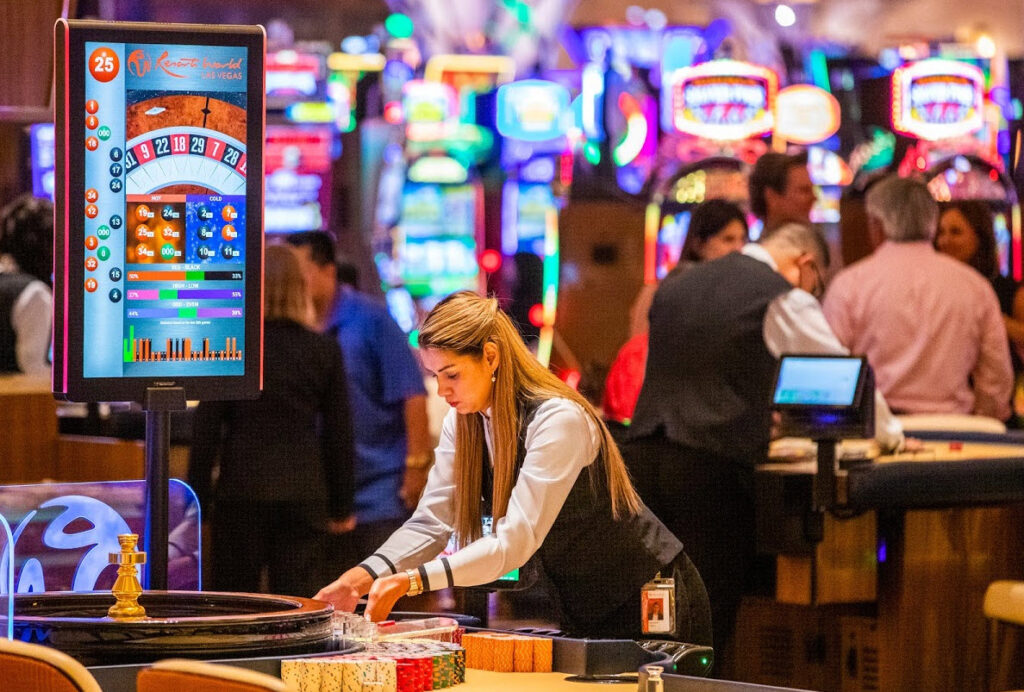
The casino environment itself plays a crucial role in the psychology of high-stakes games. Bright lights, vibrant colors, and loud sounds are designed to create an atmosphere of excitement and urgency. This sensory overload can heighten emotions, drawing players further into the game and intensifying their desire to continue playing.
Moreover, the layout of casinos often encourages movement and exploration. Players may find themselves captivated by the surrounding games, which can lead to impulsive decisions and increased betting. This carefully crafted environment exploits psychological triggers that keep players engaged, often leading them to spend more than they initially intended.
High-stakes casino games are not only individual pursuits; they also carry a strong social element. Many players enjoy the camaraderie and competition that arise from gambling with others. The social interactions, whether through shared wins or losses, can enhance the overall experience, fostering a sense of belonging and connection among participants.
Additionally, the presence of other players can amplify the thrill of high-stakes games. Observing others’ reactions can heighten emotions and create a more intense atmosphere. This communal aspect can lead to greater risk-taking, as players may feel encouraged to bet larger amounts in the presence of a supportive crowd.
Cognitive biases significantly influence decision-making in high-stakes gambling scenarios. Players often fall victim to the illusion of control, where they believe they can influence the outcome of games based on skill or strategy, even in games of pure chance. This misplaced belief can lead to more aggressive betting and risk-taking behavior.
Another common bias is the gambler’s fallacy, where individuals think that past outcomes affect future results. For instance, players might believe that a losing streak increases their chances of winning in the next round, prompting them to continue betting. These cognitive shortcuts can cloud judgment and lead to irrational decisions regarding their gambling activities.

As the landscape of gambling evolves, many players are now turning to online platforms to engage with casino games from the comfort of their homes. These digital experiences aim to replicate the thrill of traditional casinos, offering high-stakes games that attract a broad audience. However, the convenience of online gambling can also pose challenges, such as potential overreach in betting.
Ultimately, understanding the psychology behind high-stakes casino games can provide valuable insights into player behavior. Whether in physical casinos or online platforms, the interplay of risk, reward, environment, social dynamics, and cognitive biases continues to shape the gambling experience for many individuals.
 Contato